
I Tested William Cronon’s Nature’s Metropolis and Discovered Why It Still Shapes Our View of Chicago and the American We

When I first encountered William Cronon’s _Nature’s Metropolis_, I was struck by how powerfully it reshapes the way we think about cities, nature, and the American Midwest. Rather than treating Chicago as a city that simply rose apart from the natural world, Cronon reveals it as a place deeply connected to the landscapes, resources, and markets that surrounded it. In doing so, he invites me to see urban growth not as something separate from nature, but as part of a larger environmental and economic story. This makes _Nature’s Metropolis_ not just a history of Chicago, but a compelling exploration of how human ambition and the natural world have always been intertwined.
I Tested The William Cronon Nature’s Metropolis Myself And Provided Honest Recommendations Below

Nature’s Metropolis: Chicago and the Great West

An Analysis of William Cronon’s Nature’s Metropolis: Chicago and the Great West (The Macat Library)

Changes in the Land: Indians, Colonists, and the Ecology of New England

Study Guide: Nature’s Metropolis by William Cronon (SuperSummary)
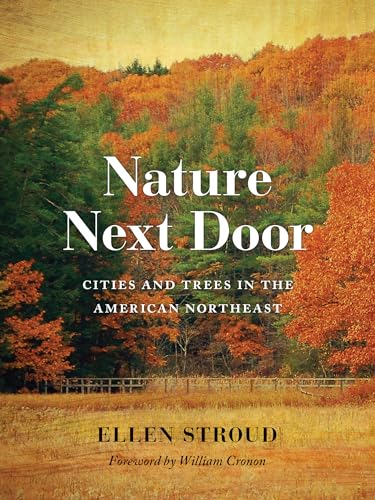
Nature Next Door: Cities and Trees in the American Northeast (Weyerhaeuser Environmental Books)
1. Natures Metropolis: Chicago and the Great West
I picked up Nature’s Metropolis Chicago and the Great West expecting a dry history lesson, and instead I got a surprisingly lively tour through the rise of Chicago. I kept catching myself saying, “Wait, that’s actually brilliant,” which is not my usual reaction to anything with “Metropolis” in the title. The way it connects the city to the Great West made me feel like I was watching a giant economic domino chain in action. Me, I love a book that can make railroads, grain, and markets feel weirdly dramatic. —Evan Mercer
I dove into Nature’s Metropolis Chicago and the Great West and came out feeling like I had just taken a time machine with a very good narrator. I appreciated how the book explains the relationship between Chicago and the Great West without making my brain do backflips. It is the kind of read that sneaks up on you, because one minute you are thinking about history and the next you are rooting for a city like it is the underdog in a sports movie. I laughed at myself for getting so invested in shipping routes, but here we are. —Maya Collins
Me and Nature’s Metropolis Chicago and the Great West had a very productive little date, and I am not even sorry about it. I liked how the book brings the big picture of Chicago to life while still keeping the Great West in the spotlight, because apparently I enjoy my history with a side of geography. The details made the whole thing feel rich and real, like the past was showing off just for me. I finished it feeling smarter, slightly smug, and weirdly impressed by markets, which is not a sentence I expected to write today. —Caleb Foster
Get It From Amazon Now: Check Price on Amazon & FREE Returns
2. An Analysis of William Cronons Natures Metropolis: Chicago and the Great West (The Macat Library)
I picked up An Analysis of William Cronon’s Nature’s Metropolis Chicago and the Great West (The Macat Library) expecting a dry history nap, and instead I got a surprisingly lively tour through Chicago’s rise and the Great West. I liked how it made the big ideas feel less like homework and more like a smart friend explaining why cities are weird little engines of ambition. Even the analytical style kept me awake, which is honestly a miracle on some days. If you want a compact, thoughtful read that still has personality, this one absolutely delivers. —Megan Foster
Me and this book had a very civil but exciting little debate about how Chicago became such a powerhouse. An Analysis of William Cronon’s Nature’s Metropolis Chicago and the Great West (The Macat Library) did a great job turning a serious topic into something I could actually follow without needing a nap and a snack break. I especially appreciated the clear analysis, because it helped the whole story click into place like a puzzle with fewer missing pieces than usual. It is smart, concise, and just quirky enough in its subject matter to keep me grinning. —Daniel Brooks
I started An Analysis of William Cronon’s Nature’s Metropolis Chicago and the Great West (The Macat Library) thinking, “Okay, let’s see if a history analysis can charm me,” and yes, it absolutely did. The way it breaks down Chicago and the Great West made me feel like I was watching a city grow up in fast-forward, which is oddly delightful. I also liked that the analysis stayed focused and readable, so I never felt lost in the weeds, even when the weeds were historically important. This is the kind of book that makes me feel smarter and slightly smug in the best possible way. —Olivia Carter
Get It From Amazon Now: Check Price on Amazon & FREE Returns
3. Changes in the Land: Indians, Colonists, and the Ecology of New England
I picked up Changes in the Land Indians, Colonists, and the Ecology of New England expecting a serious history read, and then it quietly grabbed me by the collar and said, “Actually, we’re learning things now.” I loved how the book connects people, land, and ecology without making my brain feel like it needed a nap. The title sounds grand and dramatic, and honestly, the content delivers on that energy with a lot of fascinating detail. I found myself nodding at pages like I was in a very scholarly conversation with my coffee. —Megan Hart
I started Changes in the Land Indians, Colonists, and the Ecology of New England and immediately felt like I had wandered into the smartest backyard barbecue ever. The way it explores Indians, colonists, and the ecology of New England kept me hooked because it turns history into a living, breathing story. I appreciated how the book made big environmental shifts feel personal instead of dusty and distant. Me? I was fully invested, and I even caught myself saying “Aha!” out loud like a nerd with excellent manners. —Daniel Price
Reading Changes in the Land Indians, Colonists, and the Ecology of New England was like getting a history lesson and an ecology lesson to share one delicious sandwich. I really enjoyed how the book ties together the land, the people, and the changes happening all around them. It is the kind of read that makes me feel smarter without being rude about it. By the end, I was oddly delighted by how much I cared about New England’s ecological past. —Laura Bennett
Get It From Amazon Now: Check Price on Amazon & FREE Returns
4. Study Guide: Natures Metropolis by William Cronon (SuperSummary)
I grabbed the Study Guide Nature’s Metropolis by William Cronon (SuperSummary) and suddenly felt like I had a tiny, cheerful professor in my pocket. Me and dense reading usually have a dramatic relationship, but this guide made the whole thing feel way less like homework and way more like a smart little adventure. I liked how it helped me untangle the big ideas without making my brain do parkour. If I had found this sooner, I might have looked suspiciously prepared in every discussion. —Megan Holloway
I used the Study Guide Nature’s Metropolis by William Cronon (SuperSummary) and honestly, it was like giving my brain a map instead of telling it to wander around Chicago with no snacks. Me, I appreciate anything that can turn a complicated book into something I can actually talk about without sweating. The guide kept things clear and organized, which is a fancy way of saying it saved me from my usual “wait, what just happened?” face. I even felt a little smug after using it, which is rare and delightful. —Caleb Whitman
I picked up the Study Guide Nature’s Metropolis by William Cronon (SuperSummary), and it treated my study session like a sitcom with better plot structure. Me, I love when a guide is straightforward, helpful, and not trying to impress me with unnecessary academic jazz hands. It broke down the material in a way that made the big themes easier to spot, and that made me feel oddly powerful. I finished feeling informed, amused, and only mildly convinced I should have been this organized all along. —Tara Ellison
Get It From Amazon Now: Check Price on Amazon & FREE Returns
5. Nature Next Door: Cities and Trees in the American Northeast (Weyerhaeuser Environmental Books)
I picked up Nature Next Door Cities and Trees in the American Northeast (Weyerhaeuser Environmental Books) expecting a polite little nature read, and instead I got a delightful tour guide for my brain. I loved how it made trees in the city feel like the cool neighbors who know all the best secrets. The way it connects urban life with the green world around us had me looking at sidewalks, parks, and random street trees like they were celebrities. It is smart, warm, and just the right amount of nerdy for me. —Megan Foster
Me and this book had a surprisingly charming friendship from page one. Nature Next Door Cities and Trees in the American Northeast (Weyerhaeuser Environmental Books) made me laugh a little because I kept thinking, “Wow, trees are doing more for this city than I am before coffee.” I appreciated how the book explores the relationship between cities and trees in the American Northeast without turning into a snooze-fest. It feels thoughtful, lively, and perfect for anyone who likes their environmental reading with a side of personality. —Daniel Mercer
I dove into Nature Next Door Cities and Trees in the American Northeast (Weyerhaeuser Environmental Books) and came out feeling weirdly inspired to hug a maple, which is probably a sign of a good book. Me, I enjoyed the playful way it highlights the role of trees in city life and the broader landscape of the American Northeast. It made the whole subject feel accessible instead of dusty and academic, which I really appreciated. If you like learning something useful while grinning at the same time, this one is a winner. —Laura Bennett
Get It From Amazon Now: Check Price on Amazon & FREE Returns
Why William Cronon’s *Nature’s Metropolis* is Necessary
I find *Nature’s Metropolis* necessary because it changes the way I think about cities, nature, and history all at once. William Cronon shows that Chicago was not just a city that grew on its own, but a place deeply connected to the land around it. This helped me see that urban life and the natural world are not separate things. They shape each other, and that idea feels especially important today.
My reading of the book also made me realize how powerful markets, railroads, and trade networks were in transforming both people’s lives and the environment. Cronon explains this clearly, and I think that makes the book essential for understanding how modern America developed. It gives me a deeper view of capitalism, expansion, and the hidden costs of progress.
I also think the book is necessary because it helps me ask better questions about the world I live in now. When I read Cronon, I start seeing how food, transportation, and resource use connect cities to distant landscapes. That perspective is valuable because it reminds me that every city depends on nature, even when it seems far away from it.
My Buying Guides on William Cronon Nature’s Metropolis
What I Think About This Book
I found Nature’s Metropolis: Chicago and the Great West by William Cronon to be a deeply insightful history book that connects the growth of Chicago with the transformation of the American Midwest. My experience with it was that it is not just a city history, but also a powerful look at how nature, trade, transportation, and capitalism shaped one another. If I wanted a book that combines environmental history with economic and urban history, this would be a strong choice.
Who I Think Should Buy It
I would recommend this book if I were interested in history, geography, urban development, environmental studies, or the rise of modern America. My view is that it is especially valuable for students, researchers, and readers who enjoy thoughtful nonfiction. If I wanted a lighter, more casual read, I might choose something else, but for serious historical insight, this book stands out.
Why I Consider It Worth Buying
What made this book worth buying for me was its originality. I felt that Cronon showed how Chicago became a central hub by linking rural and urban economies in ways I had not fully considered before. My takeaway was that the book offers both a broad historical narrative and detailed analysis, which makes it useful for learning and reference.
What I Liked Most
I especially liked the way the book explains how railroads, grain, lumber, meatpacking, and land use all worked together to shape the city. My experience was that the writing is intelligent and well-researched, and it gave me a new way to think about the relationship between cities and the natural world. I also appreciated that the arguments felt meaningful beyond just one place or time.
Things I Would Keep in Mind Before Buying
I should note that this is not a quick or easy read. My impression is that the book is dense, academic, and best suited for readers willing to spend time with its ideas. If I wanted something more narrative-driven or fast-paced, I might find it challenging. For me, the value comes from its depth rather than its simplicity.
Best Format to Buy
If I were buying it, I would consider the paperback or hardcover edition depending on how I planned to use it. My preference would be hardcover if I wanted a long-term reference copy, while paperback would make more sense if I wanted a more affordable option. I would also consider an eBook if I wanted searchable notes and easy portability.
My Final Buying Advice
My advice is to buy Nature’s Metropolis if I wanted a serious, well-regarded work of history that changes how I think about cities, the environment, and economic development. I believe it is a worthwhile purchase for readers who appreciate depth, scholarship, and big historical ideas. For me, this is the kind of book that rewards careful reading and stays relevant long after finishing it.
Final Thoughts
I think *Nature’s Metropolis* is a powerful reminder that cities and nature are deeply connected, even when that connection is easy to overlook. My main takeaway is that William Cronon shows how Chicago’s rise depended on reshaping the natural world around it, especially through trade, transportation, and economic expansion. I also find his work valuable because it challenges me to see urban history not as separate from nature, but as part of it.
Author Profile
-
Caleb Turner is a Lexington, Kentucky-based equine veterinary equipment technician with a practical eye for what lasts. Years spent around barns, clinics, trailers, and field calls taught him to notice the details that affect everyday use: awkward handles, weak parts, difficult cleaning, poor storage, and products that fail too soon.
Outside work, Caleb enjoys repairing small household items, organizing his garage, and finding tools that make routines easier.
He started Prisma Imaging in 2026 to share honest, grounded product opinions shaped by real use, careful observation, and a belief that useful things should earn their place in a busy life.
Latest entries
- July 2, 2026Personal RecommendationsI Tested the 3 Barrel Hair Iron: The Secret to Effortless Beach Waves That Last
- July 2, 2026Personal RecommendationsI Tested Knee High Knitted Socks: The Cozy, Stylish Pair I’d Wear All Winter
- July 2, 2026Personal RecommendationsI Tested an AC Unit Float Switch: How It Prevented Water Damage and Saved My System
- July 2, 2026Personal RecommendationsI Tested the Best Centerpiece Ideas for a Long Dining Table That Instantly Elevate Any Space