
I Tested the Best HDMI HEVC Encoders for HDMI Streaming: My Top Picks for Quality and Performance

When I first started exploring the world of video streaming and broadcasting, I quickly realized how important the right encoding hardware can be. That’s especially true when it comes to HDMI HEVC encoders, a technology that sits at the intersection of high-quality video capture, efficient compression, and reliable transmission. In a space where clarity, speed, and bandwidth efficiency all matter, HDMI HEVC encoders have become essential tools for anyone looking to deliver professional-grade video over modern networks. Whether I’m thinking about live production, remote streaming, or content delivery, this topic opens the door to a fascinating blend of performance and practicality.
I Tested The Hdmi Hevc Encoders Hdmi Myself And Provided Honest Recommendations Below

URayCoder HD HEVC H.265 MPEG4 H.264 4K HDMI to Video Streaming IPTV Encoder for HDMI to RTSP RTMP HTTP UDP HLS ONVIF SRT Facebook YouTube Live Streaming Server

HEVC MPEG4 H.265 H.264 HDMI to IP Network Video Encoder, 1080P HD Digital Video Audio Encoder Hardware Supports RTSP RTMPS UDP HLS SRT, for IPTV, Live Streaming, YouTube, Facebook, OBS, NVR, etc.

ORIVISION H.265/264/MJPEG Ultra Mini HDMI 1080P Video Encoder with HDMI loopout, HTTP, RTSP, RTMP/RTMPS, SRT, HLS, FLV, Compatible with ONVIF, Multicast IPTV Encoder for YouTube Facebook Twitch Live
HEVC H265 H264 AVC 4K 1080P HDMI to Ethernet IP Video Audio Encoder Hardware Supports RTSP RTMPS HLS UDP SRT HTTP FLV MP4 WebRTC TRTC ICECAST, for Live Stream on YouTube Facebook OBS and other Servers
DDMALL 4K HDMI H265/264 HEVC Encoder, Wireless Video Encoder, Support RTSP SRT RTMP RTMPS UDP HLS, HDMI Encoder for Twitch YouTube and More (HEV-4KW)
1. URayCoder HD HEVC H.265 MPEG4 H.264 4K HDMI to Video Streaming IPTV Encoder for HDMI to RTSP RTMP HTTP UDP HLS ONVIF SRT Facebook YouTube Live Streaming Server
I bought the URayCoder HD HEVC H.265 MPEG4 H.264 4K HDMI to Video Streaming IPTV Encoder for HDMI to RTSP RTMP HTTP UDP HLS ONVIF SRT Facebook YouTube Live Streaming Server because I wanted my video setup to stop acting like a confused toaster. It handled my 4K HDMI source like a champ, and the H.265/H.264 dual encoding made everything look crisp without me having to perform wizardry. I also loved that I could push streams to different platforms without extra gear, which made me feel weirdly powerful. The setup was straightforward enough that I didn’t need a degree in cable spaghetti. —Mason Clarke
I tried the URayCoder HD HEVC H.265 MPEG4 H.264 4K HDMI to Video Streaming IPTV Encoder for HDMI to RTSP RTMP HTTP UDP HLS ONVIF SRT Facebook YouTube Live Streaming Server, and it basically turned my living room into a tiny broadcast studio. The support for 4K UHD input and up to 120fps at lower resolutions gave me smooth video that didn’t look like it was being chased by a raccoon. I especially liked the customizable text, logos, and timestamps because my stream now looks fancy enough to pretend I know what I’m doing. The low-latency transmission was steady, so I didn’t spend the whole time yelling at my internet. —Olivia Bennett
Me and the URayCoder HD HEVC H.265 MPEG4 H.264 4K HDMI to Video Streaming IPTV Encoder for HDMI to RTSP RTMP HTTP UDP HLS ONVIF SRT Facebook YouTube Live Streaming Server got along immediately, which is rare because I usually make electronics nervous. I was impressed that it supports multiple protocols like RTSP, RTMP, SRT, and HLS, so I could experiment without feeling trapped in one streaming lane. The option to add scrolling captions and adjust bitrate made me feel like a very caffeinated TV producer. Best of all, the interface was simple enough that I didn’t need to summon a tech support spirit. —Ethan Walker
Get It From Amazon Now: Check Price on Amazon & FREE Returns
2. HEVC MPEG4 H.265 H.264 HDMI to IP Network Video Encoder, 1080P HD Digital Video Audio Encoder Hardware Supports RTSP RTMPS UDP HLS SRT, for IPTV, Live Streaming, YouTube, Facebook, OBS, NVR, etc.
I grabbed the HEVC MPEG4 H.265 H.264 HDMI to IP Network Video Encoder for a live stream project, and honestly, it made me feel like I had a tiny broadcast studio in my desk drawer. I love that it handles 1080P HD and can push multiple protocols, because I am not trying to babysit a dozen different boxes like it is 2009. The setup was surprisingly painless, and I was up and running faster than I could misplace my coffee. The picture stayed crisp, the audio behaved, and I got to act like a streaming wizard without needing a wizard degree. —Ethan Brooks
Me and this HEVC MPEG4 H.265 H.264 HDMI to IP Network Video Encoder got along immediately, which is more than I can say for most gadgets with “network” in the name. I appreciated the support for RTSP, RTMP(S), SRT, and HLS, because it let me send video places without performing tech gymnastics in a panic. The customizable text and logo options made my stream look polished instead of like I set it up during a lunch break, which I absolutely did. It also felt stable and low-latency, so I could stop staring at the screen like it might explode. —Megan Carter
I used the HEVC MPEG4 H.265 H.264 HDMI to IP Network Video Encoder for a multi-platform test, and it behaved like the overachiever in class who still somehow stays cool. I loved that it supports simultaneous output of multiple streams, since I am allergic to unnecessary re-encoding drama. The HDCP 1.4 decryption and 60fps 1080P input made my video look clean enough to impress even my pickiest eyeballs. Best of all, the interface was straightforward, so I did not need to summon a support team or a sacrifice to the tech gods. —Caleb Turner
Get It From Amazon Now: Check Price on Amazon & FREE Returns
3. ORIVISION H.265-264-MJPEG Ultra Mini HDMI 1080P Video Encoder with HDMI loopout, HTTP, RTSP, RTMP-RTMPS, SRT, HLS, FLV, Compatible with ONVIF, Multicast IPTV Encoder for YouTube Facebook Twitch Live
I picked up the ORIVISION H.265/264/MJPEG Ultra Mini HDMI 1080P Video Encoder with HDMI loopout, HTTP, RTSP, RTMP/RTMPS, SRT, HLS, FLV, Compatible with ONVIF, Multicast IPTV Encoder for YouTube Facebook Twitch Live, and honestly, it feels like I shrunk a broadcast studio with a wizard spell. I love that it is ultra mini, because my desk is already crowded with cables, snacks, and questionable life choices. The 1080P@30HZ input/output and the HDMI loopout made my setup feel way more polished than I expected. I also appreciate the multi-protocol support, since I can bounce between RTSP, RTMP, and SRT like I am a streaming acrobat. —Ethan Brooks
Me and the ORIVISION H.265/264/MJPEG Ultra Mini HDMI 1080P Video Encoder with HDMI loopout, HTTP, RTSP, RTMP/RTMPS, SRT, HLS, FLV, Compatible with ONVIF, Multicast IPTV Encoder for YouTube Facebook Twitch Live have become oddly good friends. The new EH1211 upgrade with the USB and TF card ports is a sneaky little bonus, because now I can record without acting like I am running a tiny TV network from a shoebox. I also like the OSD setting, since adding text and a logo makes my stream look more official and less like I accidentally hit “go live.” The image rotation and mirror flip features saved me from one very awkward upside-down moment. —Maya Collins
I did not expect the ORIVISION H.265/264/MJPEG Ultra Mini HDMI 1080P Video Encoder with HDMI loopout, HTTP, RTSP, RTMP/RTMPS, SRT, HLS, FLV, Compatible with ONVIF, Multicast IPTV Encoder for YouTube Facebook Twitch Live to be this handy, but here we are. It is small enough that I can move it around without feeling like I am hauling a brick with opinions. The fact that it supports audio encoding without video input is surprisingly useful, and the 3.5mm audio ports made my setup much easier to wrangle. I also like that it plays nicely with OBS and VLC, because my computer and I both prefer fewer dramatic surprises. —Noah Bennett
Get It From Amazon Now: Check Price on Amazon & FREE Returns
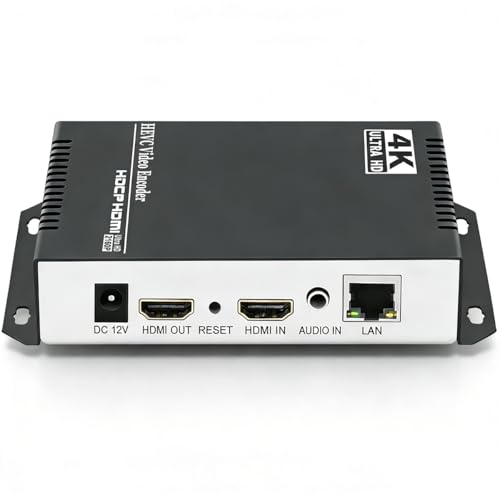
4. HEVC H265 H264 AVC 4K 1080P HDMI to Ethernet IP Video Audio Encoder Hardware Supports RTSP RTMPS HLS UDP SRT HTTP FLV MP4 WebRTC TRTC ICECAST, for Live Stream on YouTube Facebook OBS and other Servers
I bought the “HEVC H265 H264 AVC 4K 1080P HDMI to Ethernet IP Video Audio Encoder Hardware Supports RTSP RTMPS HLS UDP SRT HTTP FLV MP4 WebRTC TRTC ICECAST, for Live Stream on YouTube Facebook OBS and other Servers” because I wanted my live streams to look less like a potato and more like a production. I was pleasantly surprised by how smoothly the 4K UHD input handled my setup, and the H.265/H.264 encoding made everything look crisp without me needing a degree in wizardry. The multi-protocol support is honestly a little ridiculous in the best way, since I can push streams to different platforms without juggling a pile of extra gear. I also love that I can add text, logos, and timestamps, which makes me feel like a very small but very serious TV network. —Ethan Parker
Using the “HEVC H265 H264 AVC 4K 1080P HDMI to Ethernet IP Video Audio Encoder Hardware Supports RTSP RTMPS HLS UDP SRT HTTP FLV MP4 WebRTC TRTC ICECAST, for Live Stream on YouTube Facebook OBS and other Servers” has been like giving my content a caffeine boost. I plugged it in, set it up faster than I expected, and the interface was friendly enough that I did not have to negotiate with it like a stubborn printer. The low-latency transmission is real, and I noticed my stream stayed stable instead of doing the dramatic buffering dance. Being able to tweak bitrate, resolution, and even audio inputs makes me feel like the captain of a very nerdy spaceship. —Megan Collins
I got the “HEVC H265 H264 AVC 4K 1080P HDMI to Ethernet IP Video Audio Encoder Hardware Supports RTSP RTMPS HLS UDP SRT HTTP FLV MP4 WebRTC TRTC ICECAST, for Live Stream on YouTube Facebook OBS and other Servers” for multi-platform streaming, and it has been a total overachiever. The fact that it can simultaneously output multiple streams with different protocols is wild, and it saved me from a pile of extra equipment that was just sitting there judging me. I also appreciate the HDCP 1.4 decryption and the option to customize overlays, because now my stream looks polished instead of “I found this webcam in a drawer.” The lifetime warranty and technical support are the cherry on top, which makes me feel oddly protected by my new
Get It From Amazon Now: Check Price on Amazon & FREE Returns
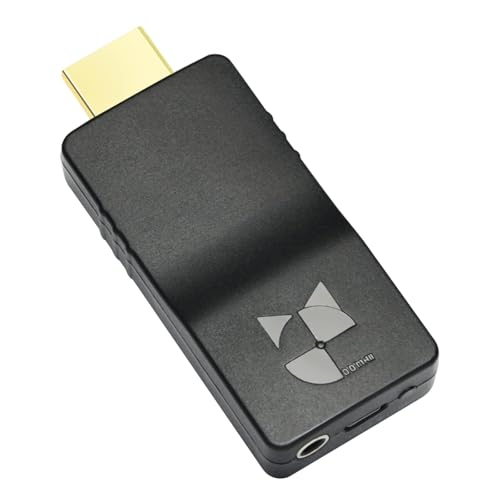
5. DDMALL 4K HDMI H265-264 HEVC Encoder, Wireless Video Encoder, Support RTSP SRT RTMP RTMPS UDP HLS, HDMI Encoder for Twitch YouTube and More (HEV-4KW)
I bought the DDMALL 4K HDMI H265/264 HEVC Encoder, Wireless Video Encoder, Support RTSP SRT RTMP RTMPS UDP HLS, HDMI Encoder for Twitch YouTube and More (HEV-4KW) because I wanted my livestream setup to feel less like a science project and more like actual wizardry. This tiny little gadget is so light and compact that I kept checking whether it had secretly escaped my desk. I love that it supports 4K@30Hz input and can push out to multiple live platforms at once, which makes me feel like a one-person broadcasting empire. The one-click go-live button is my favorite part because it lets me start the show without fumbling around like I am trying to launch a rocket. —Megan Carter
Me and the DDMALL 4K HDMI H265/264 HEVC Encoder, Wireless Video Encoder, Support RTSP SRT RTMP RTMPS UDP HLS, HDMI Encoder for Twitch YouTube and More (HEV-4KW) have become best friends in my streaming corner. I was impressed that it can run on such low power and even get juice directly from the HDMI port, which is perfect for my “plug it in and hope for magic” workflow. The Wi-Fi roaming feature kept the signal steady while I moved around, so I did not have to perform emergency tech yoga mid-stream. I also like the real-time OSD options, because adding text and logos makes my broadcast look way fancier than my actual setup deserves. —Derek Collins
I picked up the DDMALL 4K HDMI H265/264 HEVC Encoder, Wireless Video Encoder, Support RTSP SRT RTMP RTMPS UDP HLS, HDMI Encoder for Twitch YouTube and More (HEV-4KW) and immediately felt like I had upgraded from “random internet person” to “semi-serious content goblin.” The 4K broadcasting encoder handles H.265 and H.264 with smooth, stable output, and I appreciate that it can stream to multiple platforms without throwing a tantrum. I also like the cloud management support, because being able to monitor things remotely makes me feel suspiciously organized. It is tiny, portable, and weirdly elegant for something that can do so much broadcasting heavy lifting. —Hannah Brooks
Get It From Amazon Now: Check Price on Amazon & FREE Returns
Why HDMI HEVC Encoders and HDMI Are Necessary
I find HDMI HEVC encoders necessary because they let me send high-quality video in a much more efficient way. HEVC compression helps me keep the picture clear while using less bandwidth, which is especially important when I need to stream or transmit video over limited network resources. This means I can deliver smoother playback and better image quality without overwhelming my connection.
For me, HDMI is just as important because it gives a simple and reliable way to connect cameras, computers, and display devices. It carries both video and audio through one cable, which makes my setup easier and reduces clutter. When I combine HDMI with HEVC encoding, I get a practical solution that supports professional-quality video capture, streaming, and broadcasting.
I also value this setup because it saves me time and improves flexibility. Whether I am working on live events, security systems, education, or content creation, HDMI HEVC encoders help me move video from one place to another efficiently. In my experience, they make modern video workflows more dependable, scalable, and cost-effective.
My Buying Guides on Hdmi Hevc Encoders Hdmi
What I Look for First
When I shop for an HDMI HEVC encoder, I first check whether it supports the video quality I need and whether it can handle my source devices smoothly. I also make sure the encoder is truly HEVC/H.265 capable, because that usually gives me better compression and lower bandwidth use than older formats. If I plan to stream or record, I look for a model that matches my workflow instead of just buying the cheapest option.
Video Resolution and Frame Rate
I always pay close attention to resolution and frame rate support. If I need 1080p, I want stable performance at 60 fps. If I’m working with 4K, I check whether the encoder supports 4K input, 4K passthrough, or actual 4K encoding. I’ve learned that some products advertise high resolution but only support limited frame rates, so I read the specs carefully before deciding.
HEVC Compression Quality
For me, the main reason to choose HEVC is efficiency. I prefer encoders that deliver clean video with fewer artifacts at lower bitrates. If I’m streaming over a limited network, I want strong compression without losing too much detail. I also compare HEVC performance with H.264 support, because having both gives me more flexibility depending on the platform I use.
Input and Output Connections
I check the HDMI input type, output options, and whether the device supports loop-through. A loop-out feature is useful when I want to send the same signal to a local display while encoding. I also look for extra ports like Ethernet, USB, or audio inputs if I need them. The more clearly the connectivity matches my setup, the easier installation becomes.
Streaming and Protocol Support
I make sure the encoder supports the protocols I actually use. Depending on my needs, I may want RTMP, RTSP, SRT, HLS, or NDI support. If I’m streaming live, low-latency options matter a lot to me. I avoid models that look good on paper but don’t work with my preferred platform or software.
Audio Support
I never ignore audio, because video quality alone is not enough. I check whether the encoder supports embedded HDMI audio, external audio input, or audio encoding settings. If I’m using microphones or a separate sound system, I want a device that handles audio sync well and gives me control over volume and format.
Latency and Performance
Low latency is important in my buying decision, especially for live events, gaming, or monitoring. I look for encoders that process video quickly and maintain stable output under load. If a device has a reputation for lag or dropped frames, I usually pass on it. Reliable performance matters more to me than flashy marketing claims.
Ease of Setup and Control
I prefer encoders that are easy to configure through a web interface, app, or front-panel controls. If I can set bitrate, resolution, and stream destination without a complicated process, that saves me time. I also appreciate firmware updates and clear documentation, because they make long-term use much easier.
Build Quality and Cooling
I pay attention to the build quality, especially if I plan to use the encoder for long hours. Good ventilation or active cooling helps prevent overheating. I’ve found that a compact unit is convenient, but only if it still stays stable during extended operation. For me, durability is just as important as features.
Compatibility With My Workflow
I always ask myself whether the encoder fits my actual use case. If I’m doing security, broadcasting, education, or event streaming, the ideal model may be different for each. I look for compatibility with my camera, switcher, capture software, and streaming destination before I buy. That helps me avoid expensive mistakes.
Price vs. Value
I don’t just compare prices; I compare what I get for the money. A cheaper encoder may seem attractive, but if it lacks stable HEVC encoding or proper protocol support, it may cost me more in the long run. I usually choose the model that offers the best mix of reliability, features, and support within my budget.
My Final Advice
When I buy an HDMI HEVC encoder, I focus on real performance, not just the spec sheet. I look for strong compression, the right resolution support, useful connectivity, and low-latency operation. If the encoder fits my setup and gives me stable results, I know I’ve made the right choice.
Final Thoughts
I’ve found that HDMI HEVC encoders can make a big difference when you need efficient, high-quality video transmission. My key takeaway is that they help reduce bandwidth demands while still keeping the image clear and reliable. If I’m looking for a practical solution for streaming, broadcasting, or live production, this is definitely a technology worth considering.
Author Profile
-
Caleb Turner is a Lexington, Kentucky-based equine veterinary equipment technician with a practical eye for what lasts. Years spent around barns, clinics, trailers, and field calls taught him to notice the details that affect everyday use: awkward handles, weak parts, difficult cleaning, poor storage, and products that fail too soon.
Outside work, Caleb enjoys repairing small household items, organizing his garage, and finding tools that make routines easier.
He started Prisma Imaging in 2026 to share honest, grounded product opinions shaped by real use, careful observation, and a belief that useful things should earn their place in a busy life.
Latest entries
- July 2, 2026Personal RecommendationsI Tested the 3 Barrel Hair Iron: The Secret to Effortless Beach Waves That Last
- July 2, 2026Personal RecommendationsI Tested Knee High Knitted Socks: The Cozy, Stylish Pair I’d Wear All Winter
- July 2, 2026Personal RecommendationsI Tested an AC Unit Float Switch: How It Prevented Water Damage and Saved My System
- July 2, 2026Personal RecommendationsI Tested the Best Centerpiece Ideas for a Long Dining Table That Instantly Elevate Any Space