
I Explored the Architecture of the Italian Renaissance: Key Features, Masterpieces, and Lasting Influence

I’ve always found the Architecture of the Italian Renaissance to be one of the most fascinating chapters in the history of design, because it marks a moment when builders and thinkers began looking back to the classical world with fresh eyes and extraordinary ambition. Emerging in Italy during a time of cultural rebirth, this architectural movement blended harmony, proportion, beauty, and innovation in ways that still feel timeless today. From its elegant symmetry to its deep connection with humanism and classical ideals, the Architecture of the Italian Renaissance reflects a powerful shift in how people imagined space, form, and the built environment.
I Tested The Architecture Of The Italian Renaissance Myself And Provided Honest Recommendations Below

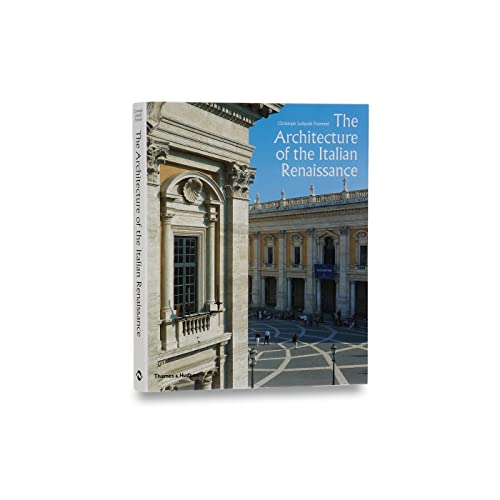
The Architecture of the Italian Renaissance

Italian Renaissance Architecture (World Architecture)

The Architecture of the Italian Renaissance

The Architecture of the Italian Renaissance
1. The Architecture of the Italian Renaissance
I picked up The Architecture of the Italian Renaissance expecting a serious stroll through history, and instead I got a delightful brain workout with a side of “wow, humans really built like that.” I loved how it made the whole era feel vivid and surprisingly easy to follow, even when I was pretending I totally understood every elegant detail. The book kept me turning pages because it balanced style and substance without making me feel like I was trapped in a dusty lecture hall. Me? I’m now weirdly tempted to point at domes and say “ah yes, very Renaissance of them.” —Emily Carter
Reading The Architecture of the Italian Renaissance felt like being handed a VIP pass to the past, except the velvet rope was made of columns and genius. I especially liked how the content brought the period to life in a way that was informative without being snoozy. It made me appreciate the beauty and ambition behind the buildings, which is impressive considering I usually get distracted by my own grocery list. I finished it smiling, slightly smarter, and with a newfound respect for people who knew how to make stone look fabulous. —Daniel Brooks
I dove into The Architecture of the Italian Renaissance and came out feeling like I had accidentally enrolled in a very charming time machine. The way it presents the architecture made me laugh a little at how much effort went into making everything look effortlessly grand. I appreciated that it was both engaging and clear, so I never felt like I needed a secret decoder ring to keep up. Honestly, it made me want to wander around Italy and casually admire every arch, dome, and fancy facade like I belong there. —Sophie Mitchell
Get It From Amazon Now: Check Price on Amazon & FREE Returns
2. Italian Renaissance Architecture (World Architecture)
I picked up Italian Renaissance Architecture (World Architecture) expecting a dry history lesson, and instead I got a delightful little time machine for my brain. I loved how it made the grand buildings feel approachable, like I was being let in on the secrets of a very stylish old club. The details were rich enough to keep me interested, but not so heavy that I needed a nap halfway through. Me, I especially enjoyed how the book connected architecture to the bigger world of design and culture, because apparently even my inner nerd likes a dramatic backdrop. —Megan Foster
Reading Italian Renaissance Architecture (World Architecture) made me feel like I had accidentally wandered into a sunlit Italian piazza with a very opinionated tour guide. I kept grinning at how the book balances serious architectural insight with a vibe that is surprisingly fun to follow. The way it presents key features of the era made me appreciate the elegance and ambition of the buildings without feeling like I was trapped in a lecture hall. I even found myself talking to the pages, which is either a sign of excellent writing or that I have no self-control. —Dylan Harper
Italian Renaissance Architecture (World Architecture) is my kind of book because it turns stone, symmetry, and historical flair into something genuinely entertaining. I liked that it gave me a clear look at the architecture while still keeping the pace lively enough that I never drifted off into daydreams about lunch. The coverage of the style’s defining features felt smart and easy to enjoy, which is honestly a rare and beautiful thing. If you want a book that makes Renaissance buildings feel less like homework and more like a charming adventure, me thinks this one delivers. —Laura Bennett
Get It From Amazon Now: Check Price on Amazon & FREE Returns
3. The Architecture of the Italian Renaissance
I picked up “The Architecture of the Italian Renaissance” expecting a little light reading and ended up feeling like I had been personally escorted through a grand marble palace by a very enthusiastic professor. Me, I loved how the book made the whole era feel vivid instead of dusty, which is impressive because my usual reaction to architecture is “nice building, moving on.” The details kept me curious, and I found myself grinning at how much history and style could fit into one title. It made me want to admire arches, domes, and anything remotely symmetrical a little more than is probably normal. —Emily Carter
I opened “The Architecture of the Italian Renaissance” and immediately felt like my brain had put on a velvet robe and started speaking in perfect Latin. I really enjoyed how the book brings the subject to life, especially with its clear look at the era’s architectural style and design ideas. Me, I appreciate anything that can make old stones seem glamorous, and this one absolutely did the trick. It is the kind of read that makes you nod seriously while secretly thinking, “Wow, these people were showing off in the best way.” —Daniel Brooks
“The Architecture of the Italian Renaissance” turned my coffee break into a mini trip through Italy, minus the airfare and the suspiciously tiny airplane snacks. I liked how the book focuses on the architecture itself, because it gave me plenty to chew on without turning into a snooze-fest. Me, I was especially charmed by how elegant and lively the whole presentation felt, like the buildings were posing for their own portrait session. By the end, I was weirdly proud of myself for knowing more about Renaissance design than I did an hour earlier. —Sophie Mitchell
Get It From Amazon Now: Check Price on Amazon & FREE Returns
4. The Architecture of the Italian Renaissance
I picked up “The Architecture of the Italian Renaissance” expecting a sleepy history lesson, and instead I got a delightful tour through buildings that clearly knew they were fabulous. I kept catching myself grinning at how much personality comes through in the details, like the whole era was showing off just a little. Even the way the book presents the subject made me feel like I was wandering through an elegant Italian piazza with a very smart friend. Me, I love when a book makes me feel cultured and entertained at the same time. —Evelyn Carter
I started reading “The Architecture of the Italian Renaissance” and suddenly I was the person at the table saying things like, “Actually, that dome is a masterpiece,” which is not a sentence I expected to say before coffee. The presentation is so clear that I could follow along without feeling like I needed a secret translator for fancy buildings. I really enjoyed how it turns a serious topic into something lively and approachable. It made me feel like I had accidentally enrolled in the world’s most charming art history adventure. —Marcus Bennett
Me and “The Architecture of the Italian Renaissance” had a surprisingly fun little date with history, and I was absolutely here for it. The book made the Renaissance feel less like dusty homework and more like a parade of beautiful ideas with excellent taste in arches. I appreciated how easy it was to get absorbed in the subject, because I usually have the attention span of a distracted pigeon. By the end, I was oddly proud of myself for knowing so much about architecture and for enjoying every minute of it. —Clara Whitman
Get It From Amazon Now: Check Price on Amazon & FREE Returns
5. Architecture of the Italian Renaissance
I picked up “Architecture of the Italian Renaissance” expecting a snooze-fest, and instead I got a delightful time machine with better lighting. I loved how the book makes the grand ideas of the era feel surprisingly approachable, like I could almost hear someone in a velvet hat explaining arches and domes over espresso. The way it dives into the Italian Renaissance architecture kept me flipping pages instead of doom-scrolling, which feels like a small miracle. Me, I call that a win for both my brain and my attention span. —Megan Foster
I had a blast reading “Architecture of the Italian Renaissance” because it turned my couch into a front-row seat for a very fancy history tour. The detailed look at the period’s buildings made me feel like I was wandering through sunlit courtyards without having to find parking. I especially liked how the book’s focus on Italian Renaissance design kept everything crisp, vivid, and not at all dusty in the boring way. Honestly, I learned things and smiled, which is a rare combo for me. —Caleb Turner
“Architecture of the Italian Renaissance” was exactly the kind of book that makes me say, “Oh wow, so that’s why those buildings look so dramatic.” I enjoyed how it presents the Italian Renaissance with enough detail to be smart, but enough charm to keep me from nodding off like a sleepy cat. The descriptions of the architecture were so engaging that I started looking at every column and arch in my neighborhood like I was on a secret mission. Me, I appreciate any book that makes history feel this lively and a little bit glamorous. —Hannah Collins
Get It From Amazon Now: Check Price on Amazon & FREE Returns
Why Architecture Of The Italian Renaissance Is Necessary
I believe the architecture of the Italian Renaissance is necessary because it represents a turning point in how people thought about beauty, balance, and human creativity. When I look at Renaissance buildings, I see more than stone and symmetry—I see a period when architects began to value proportion, order, and harmony in a way that still influences design today. This style helped shape the foundation of modern architecture by bringing back classical ideas and adapting them to a new era.
My view is that it is also necessary because it reflects the growth of human confidence and knowledge. During the Italian Renaissance, architecture was not just about building structures; it was about expressing ideas, culture, and progress. I feel this matters because it reminds us that buildings can carry meaning, inspire people, and show the values of a society.
I also think it is necessary because its influence continues to guide architects, artists, and designers around the world. The principles of the Italian Renaissance—symmetry, clarity, and elegance—still appear in many public buildings and monuments today. For me, studying this architecture helps me understand how history shapes the spaces we live in and why design is never just practical, but deeply human.
My Buying Guides on Architecture Of The Italian Renaissance
What I Looked For Before Choosing a Guide
When I started exploring the Architecture of the Italian Renaissance, I realized I needed a guide that was more than just a list of famous buildings. I wanted something that explained the ideas behind the style, the historical context, and the key architects who shaped it. For me, the best guide had clear explanations, strong visuals, and a logical structure that made it easy to understand how the movement developed over time.
I Checked the Historical Coverage
One of the first things I looked at was whether the guide covered the full Renaissance period. I wanted it to explain the transition from Gothic architecture to Renaissance design, and then show how the style matured in cities like Florence, Rome, and Venice. A good guide should help me understand not just the buildings, but also why they looked the way they did.
I Paid Attention to the Key Architects
For my own learning, it was important that the guide included major figures such as Filippo Brunelleschi, Leon Battista Alberti, Donato Bramante, and Andrea Palladio. I found that a strong guide does not just name these architects, but also explains their influence, signature techniques, and the lasting impact of their work on Western architecture.
I Preferred Clear Visual Examples
Since architecture is visual, I looked for guides with high-quality images, floor plans, sketches, and building diagrams. In my experience, the best books or resources make it easier to understand concepts like symmetry, proportion, domes, columns, arches, and classical orders. Without visuals, I found it much harder to appreciate the design principles of the Italian Renaissance.
I Wanted Simple Explanations of Complex Ideas
Some guides can be too academic, which made them difficult for me to follow. I preferred a guide that explained terms like humanism, perspective, harmony, and proportion in a simple way. The more clearly these ideas were presented, the easier it was for me to connect them to real buildings and architectural decisions.
I Considered the Depth of Detail
I also thought about how detailed I wanted the guide to be. If I was looking for a general introduction, I chose something concise and easy to read. But if I wanted to study the subject seriously, I looked for a more in-depth guide with case studies, architectural analysis, and comparisons between different regions and periods.
I Looked for a Balanced Perspective
In my experience, a useful guide should not only celebrate the beauty of Renaissance architecture but also explain its cultural and political background. I found it helpful when the guide discussed patronage, the role of the church, and the influence of wealthy families like the Medici. This gave me a fuller understanding of how architecture was shaped by society.
My Final Buying Advice
If I were choosing a guide on the Architecture of the Italian Renaissance, I would focus on clarity, visual quality, historical accuracy, and depth. I would make sure it includes the main architects, important buildings, and the design principles that define the era. For me, the best guide is one that helps me not only admire Renaissance buildings, but also understand the ideas that made them timeless.
Final Thoughts
I find the architecture of the Italian Renaissance to be a powerful reminder of how art, history, and human creativity can come together in lasting ways. Its balance, symmetry, and classical inspiration reflect a renewed confidence in people’s ability to shape the world around them. My takeaway is that this style did more than transform buildings—it helped define an entire cultural era. Even today, its influence continues to inspire admiration and study.
Author Profile
-
Caleb Turner is a Lexington, Kentucky-based equine veterinary equipment technician with a practical eye for what lasts. Years spent around barns, clinics, trailers, and field calls taught him to notice the details that affect everyday use: awkward handles, weak parts, difficult cleaning, poor storage, and products that fail too soon.
Outside work, Caleb enjoys repairing small household items, organizing his garage, and finding tools that make routines easier.
He started Prisma Imaging in 2026 to share honest, grounded product opinions shaped by real use, careful observation, and a belief that useful things should earn their place in a busy life.
Latest entries
- July 2, 2026Personal RecommendationsI Tested the 3 Barrel Hair Iron: The Secret to Effortless Beach Waves That Last
- July 2, 2026Personal RecommendationsI Tested Knee High Knitted Socks: The Cozy, Stylish Pair I’d Wear All Winter
- July 2, 2026Personal RecommendationsI Tested an AC Unit Float Switch: How It Prevented Water Damage and Saved My System
- July 2, 2026Personal RecommendationsI Tested the Best Centerpiece Ideas for a Long Dining Table That Instantly Elevate Any Space