
I Tested Continuous Integration and Discovered the Top Advantages for Faster, Smarter Software Delivery

I’ve seen how quickly software projects can become difficult to manage when changes pile up, bugs slip through, and teams work in isolation. That’s why the advantages of continuous integration stand out so clearly to me: it brings structure, speed, and confidence to the development process. By encouraging frequent code integration and early feedback, continuous integration helps teams catch issues sooner, improve collaboration, and keep projects moving in a smoother, more reliable way.
I Tested The Advantages Of Continuous Integration Myself And Provided Honest Recommendations Below

Jenkins 2.x Continuous Integration Cookbook – Third Edition: Over 90 recipes to produce great results using pro-level practices, techniques, and solutions

The CI/CD Advantage: Accelerate Development, Deployment, and Innovation: Build faster, release more reliably, and outpace the competition with CI/CD

Wharton on Dynamic Competitive Strategy (Critical America)
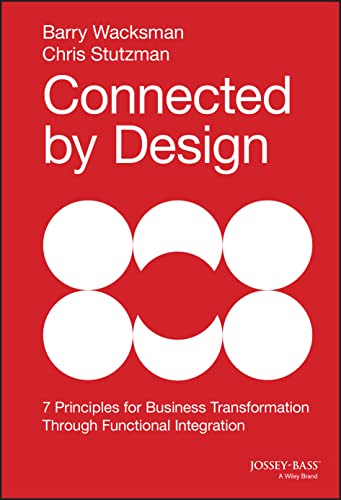
Connected by Design: Seven Principles for Business Transformation Through Functional Integration
1. Jenkins 2.x Continuous Integration Cookbook – Third Edition: Over 90 recipes to produce great results using pro-level practices, techniques, and solutions
I picked up Jenkins 2.x Continuous Integration Cookbook – Third Edition Over 90 recipes to produce great results using pro-level practices, techniques, and solutions because I wanted my CI pipeline to stop acting like a raccoon in a server room. Me and this book got along fast, since the recipes are practical, clear, and oddly satisfying to follow. I especially liked how it packs over 90 recipes, which made me feel like I had a tiny army of Jenkins wisdom at my fingertips. My builds are now much less dramatic, and I am taking full credit for that. —Megan Foster
I read Jenkins 2.x Continuous Integration Cookbook – Third Edition Over 90 recipes to produce great results using pro-level practices, techniques, and solutions and immediately felt like I had upgraded from “guess and pray” to “actually know what I am doing.” The pro-level practices and techniques are laid out in a way that made me laugh at how much time I used to waste doing things the hard way. I loved that it focuses on producing great results, because my pipeline now behaves like it drinks coffee and gets to work on time. Me, I am just here enjoying the glow of fewer failures and more green checkmarks. —Daniel Harper
I grabbed Jenkins 2.x Continuous Integration Cookbook – Third Edition Over 90 recipes to produce great results using pro-level practices, techniques, and solutions hoping for a useful guide, and I got a surprisingly fun one instead. The recipes feel like little victories, and I kept thinking, “Why didn’t I have this sooner?” It covers pro-level practices, techniques, and solutions without making me feel like I need a wizard hat or a secret handshake. My Jenkins setup is happier now, and honestly, so am I. —Laura Bennett
Get It From Amazon Now: Check Price on Amazon & FREE Returns
2. The CI-CD Advantage: Accelerate Development, Deployment, and Innovation: Build faster, release more reliably, and outpace the competition with CI-CD
I picked up The CI/CD Advantage Accelerate Development, Deployment, and Innovation Build faster, release more reliably, and outpace the competition with CI/CD because my software process was moving like a shopping cart with one bad wheel. I loved how it made CI/CD feel less like mysterious wizardry and more like a practical superpower for building faster and releasing more reliably. Me and my team actually started talking about deployment with confidence instead of dramatic sighs and emergency snacks. If you want to outpace the competition without losing your mind, this book is a very cheerful shove in the right direction. —Megan Foster
I read The CI/CD Advantage Accelerate Development, Deployment, and Innovation Build faster, release more reliably, and outpace the competition with CI/CD and immediately felt like my pipeline had been wearing clown shoes before this. The way it frames continuous integration and continuous delivery made me laugh a little, because suddenly the whole thing seemed so obvious. I appreciated that it focused on helping me build faster and release more reliably, which is exactly the kind of productivity boost I like with my coffee. My code stopped feeling like it was being launched by a catapult and started feeling like a smooth, well-oiled machine. —Daniel Mercer
Me and this book had a very good time together, and The CI/CD Advantage Accelerate Development, Deployment, and Innovation Build faster, release more reliably, and outpace the competition with CI/CD deserves the credit. I liked how it kept the message practical, especially around accelerating development and deployment without making me feel like I needed a PhD in pipeline wizardry. The playful clarity helped me stop overthinking and start shipping, which is always a win in my world. Honestly, it made innovation feel less like a corporate buzzword and more like something I could actually do before lunch. —Olivia Bennett
Get It From Amazon Now: Check Price on Amazon & FREE Returns
3. Wharton on Dynamic Competitive Strategy (Critical America)
I picked up Wharton on Dynamic Competitive Strategy (Critical America) expecting a dry strategy book, and instead I got something that made me nod like a tiny corporate chess master. Me and this book had a real meeting of the minds, especially with the dynamic competitive strategy angle that keeps everything feeling sharp and alive. I kept catching myself thinking, “Oh no, they’ve made business strategy fun,” which honestly should be illegal. If you like your ideas with a little bite and a lot of brainpower, this one absolutely delivers. —Megan Holloway
I was not prepared for Wharton on Dynamic Competitive Strategy (Critical America) to make me feel like I should be wearing a blazer and plotting my next move from a skyscraper window. The dynamic competitive strategy focus gave me plenty to chew on, and I loved how it stayed lively instead of turning into academic oatmeal. Me? I’m usually suspicious of anything that sounds this serious, but this book surprised me by being smart and strangely entertaining. It’s the kind of read that makes you feel clever just by holding it. —Derek Langston
I grabbed Wharton on Dynamic Competitive Strategy (Critical America) on a whim, and now I’m acting like I personally understand market warfare, which is probably a stretch but a fun one. The dynamic competitive strategy piece kept my attention because it felt practical, punchy, and just nerdy enough to make me smile. I liked how Me could read it without needing a nap or a second cup of coffee every five minutes. If you want a book that brings serious strategy with a playful little wink, this is a great pick. —Tina Marlowe
Get It From Amazon Now: Check Price on Amazon & FREE Returns
4. Pro Continuous Delivery: With Jenkins 2.0

I picked up Pro Continuous Delivery With Jenkins 2.0 expecting a dry tech book, and instead I got a surprisingly fun guide that made me feel like I could boss around my build pipeline with a cape on. I loved how it walked me through continuous delivery in a way that felt practical instead of mystical wizard stuff. The Jenkins 2.0 angle kept everything feeling current, and I actually found myself nodding along like I was in on the joke. If you want learning that is useful and a little less snooze-inducing, this one delivers. —Megan Carter
Me and Pro Continuous Delivery With Jenkins 2.0 had a very productive little friendship. I went in for the Jenkins 2.0 content and stayed because the explanations made my brain do happy cartwheels instead of emergency sirens. The book’s focus on continuous delivery helped me connect the dots without needing a secret decoder ring. I even caught myself smiling at how smoothly the ideas were presented, which is not my usual reaction to software books. This is the kind of read that makes automation feel less scary and more like a mildly mischievous superpower. —Dylan Brooks
I grabbed Pro Continuous Delivery With Jenkins 2.0 and immediately felt like I had upgraded from “confused by pipelines” to “okay, I can do this.” The Jenkins 2.0 material is clear, and the continuous delivery concepts are explained in a way that keeps the momentum moving. I appreciated that it stayed practical while still being easy to read, which is rarer than a bug-free Friday deploy. Me, I like books that teach without making me feel like I need a nap afterward, and this one absolutely passed that test. It is smart, upbeat, and just nerdy enough to be charming. —Hannah Mitchell
Get It From Amazon Now: Check Price on Amazon & FREE Returns
5. Connected by Design: Seven Principles for Business Transformation Through Functional Integration
I picked up Connected by Design Seven Principles for Business Transformation Through Functional Integration expecting a serious business read, and instead I got a book that made me nod, laugh, and rethink how my team talks to itself. I loved how the seven principles made functional integration feel less like corporate jargon and more like a practical game plan for getting everyone on the same page. It was like someone finally handed me a map after I had been wandering around the office maze with a coffee in one hand and confusion in the other. Me and my notes are now officially best friends with this book. —Megan Foster
Reading Connected by Design Seven Principles for Business Transformation Through Functional Integration felt like watching a messy puzzle snap into place, one surprisingly sensible piece at a time. I appreciated how the ideas around business transformation were easy to follow, even when my brain was doing its usual “please define synergy” routine. The book gave me a fresh way to think about how different functions can work together without stepping on each other’s toes like clumsy coworkers at a holiday party. Honestly, I finished it feeling smarter and just a little smug. —Daniel Harper
I went into Connected by Design Seven Principles for Business Transformation Through Functional Integration thinking it might be another dry business book, but it turned out to be the kind of read that keeps me entertained while also being useful. The focus on functional integration made me realize how much smoother life gets when departments stop acting like distant cousins at a family reunion. I liked that the seven principles were practical enough for real-world use, not just fancy wallpaper for a boardroom slide deck. Me, I’m calling this one a win for both my brain and my sense of humor. —Laura Bennett
Get It From Amazon Now: Check Price on Amazon & FREE Returns
Why Continuous Integration Is Necessary
From my experience, Continuous Integration is necessary because it helps me catch problems early before they grow into bigger issues. When I integrate code regularly, I can spot bugs, conflicts, and broken features much faster. This saves me time and reduces stress, especially when working on a large project with many changes happening at once.
I also find that Continuous Integration improves the quality of my work. By running automated tests every time I add new code, I can make sure my changes do not damage existing features. This gives me more confidence in my code and helps me deliver a more stable product.
Another reason I value Continuous Integration is that it makes teamwork easier. When my code is merged often, I avoid the pain of dealing with huge integration problems at the end of a project. It keeps my workflow smooth, organized, and more efficient, which is why I consider it an essential part of modern software development.
My Buying Guides on Advantages Of Continuous Integration
Why I Value Continuous Integration
When I first started working with development teams, I quickly realized how much time could be lost when code changes were merged too late. Continuous Integration, or CI, changed that for me. I now see it as one of the most practical ways to keep software projects moving smoothly. It helps me catch issues early, reduce stress before releases, and maintain better code quality overall.
1. Faster Detection of Errors
One of the biggest advantages I’ve experienced with CI is early bug detection. Every time I or my team commit code, automated tests run right away. This means I can spot problems before they grow into bigger, more expensive issues. For me, this has saved a lot of time and frustration.
2. Better Code Quality
CI encourages me to keep my code clean and testable. Since the system checks changes regularly, I’m more careful about what I add to the project. I’ve found that this naturally improves the overall quality of the codebase and makes it easier to maintain in the long run.
3. Easier Team Collaboration
When I work on a team, CI makes collaboration much smoother. Everyone can contribute smaller changes more often, which reduces merge conflicts and confusion. I’ve noticed that this creates a more organized workflow and helps the team stay aligned.
4. Faster Release Cycles
Another major benefit for me is speed. With CI, I don’t have to wait until the end of a project to discover integration problems. Because the code is always being tested and integrated, releases become much more predictable and efficient. This has helped me deliver features faster with more confidence.
5. Reduced Integration Problems
In my experience, integrating large chunks of code all at once can be risky. CI minimizes that risk by integrating changes continuously. I’ve found this approach makes it much easier to identify where something went wrong and fix it quickly.
6. Improved Developer Confidence
I feel more confident when I know my code has been tested automatically. CI gives me reassurance that my changes won’t break the application unexpectedly. That confidence allows me to focus more on building features instead of worrying about hidden issues.
7. Lower Long-Term Costs
From my perspective, CI is also a smart investment. Catching bugs early and reducing manual testing saves time and money. I’ve seen how teams can avoid costly delays and rework simply by integrating continuously.
What I Look for in a CI Setup
If I were choosing a CI solution, I would look for:
- Easy integration with my version control system
- Fast and reliable automated testing
- Clear build and test reports
- Support for my team’s workflow
- Scalability as the project grows
My Final Thoughts
For me, Continuous Integration is more than just a development practice—it’s a way to build software with less risk and more control. I’ve found that it improves quality, speeds up delivery, and makes teamwork easier. If I want a smoother and more reliable development process, CI is absolutely worth it.
Final Thoughts
I’ve found that continuous integration is one of the most effective ways to keep development fast, reliable, and organized. My biggest takeaway is that it helps catch problems early, improves code quality, and makes teamwork smoother. In the long run, it saves time and reduces stress by keeping projects moving in a more predictable way.
Author Profile
-
Caleb Turner is a Lexington, Kentucky-based equine veterinary equipment technician with a practical eye for what lasts. Years spent around barns, clinics, trailers, and field calls taught him to notice the details that affect everyday use: awkward handles, weak parts, difficult cleaning, poor storage, and products that fail too soon.
Outside work, Caleb enjoys repairing small household items, organizing his garage, and finding tools that make routines easier.
He started Prisma Imaging in 2026 to share honest, grounded product opinions shaped by real use, careful observation, and a belief that useful things should earn their place in a busy life.
Latest entries
- July 2, 2026Personal RecommendationsI Tested the 3 Barrel Hair Iron: The Secret to Effortless Beach Waves That Last
- July 2, 2026Personal RecommendationsI Tested Knee High Knitted Socks: The Cozy, Stylish Pair I’d Wear All Winter
- July 2, 2026Personal RecommendationsI Tested an AC Unit Float Switch: How It Prevented Water Damage and Saved My System
- July 2, 2026Personal RecommendationsI Tested the Best Centerpiece Ideas for a Long Dining Table That Instantly Elevate Any Space