
I Tested 10 Gbps Network Cards: 7 Best Picks for Blazing-Fast, Reliable Connectivity

When I first started paying closer attention to network performance, I realized just how much of a difference the right hardware can make. A 10 Gbps Network Card isn’t just another upgrade—it can be the key to unlocking faster file transfers, smoother backups, lower latency, and a more responsive overall experience, especially in demanding environments. As data needs continue to grow, this kind of networking solution has become increasingly relevant for professionals, power users, and anyone looking to move beyond the limits of standard gigabit speeds.
I Tested The 10 Gbps Network Card Myself And Provided Honest Recommendations Below
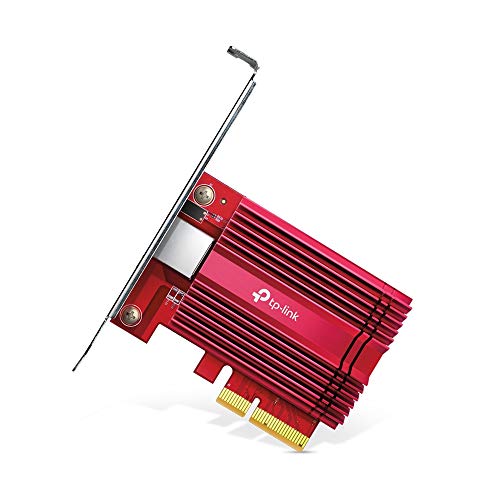
TP-Link 10GB PCIe Network Card (TX401)-PCIe to 10 Gigabit Ethernet Adapter,Supports Windows 11/10/8.1/8/7, Servers 2019/2016/2012 R2, and Linux, Including a CAT6A Cable

10Gtek 10Gb Dual RJ45 Port Network Card with X540 Controller, PCIe Ethernet LAN Adapter for Windows/Linux/ESX Servers, Compare to Intel X540-T2

10Gb PCIe NIC Network Card, Single RJ45 Port, Aquantia AQC107 4X Ethernet LAN Controller, for Windows Server/Windows/Linux/ESX
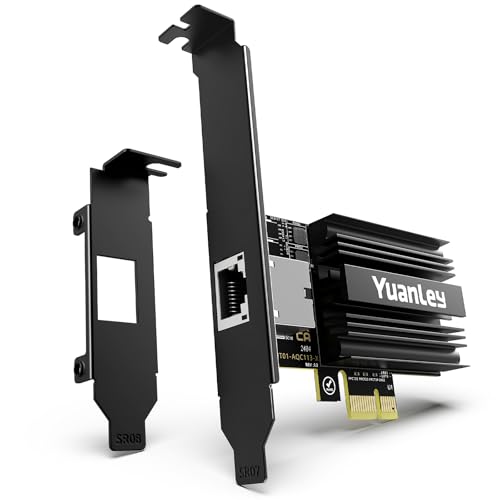
10G PCIe Network Card, YuanLey 10G Base-T Ethernet Card with Marvell AQC113 Conrtoller, PCIE to 10Gb RJ45 Ethernet Adapter NIC Compatible with PCI Express X1,X4,X8,X16, for Windows 10/11, Linux OS
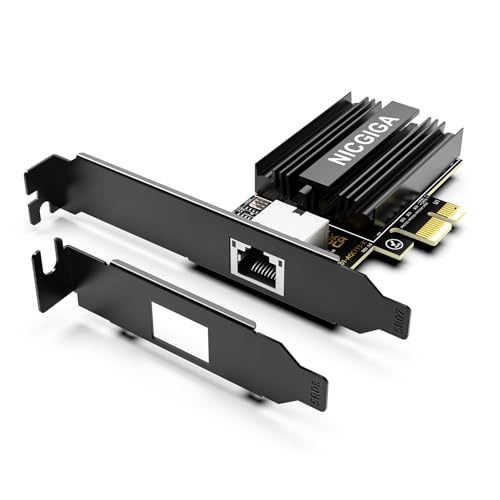
2025 NEW 10G Base-T PCI-e4.0 X1 Network Card, Marvell AQC113 Controller, NICGIGA 10Gb Ethernet Adapter Support WOL, 10Gbe RJ45 Port NIC Card, Windows10/11/Windows Server/Linux
1. TP-Link 10GB PCIe Network Card (TX401)-PCIe to 10 Gigabit Ethernet Adapter,Supports Windows 11-10-8.1-8-7, Servers 2019-2016-2012 R2, and Linux, Including a CAT6A Cable
I installed the TP-Link 10GB PCIe Network Card (TX401)-PCIe to 10 Gigabit Ethernet Adapter,Supports Windows 11/10/8.1/8/7, Servers 2019/2016/2012 R2, and Linux, Including a CAT6A Cable, and my downloads went from “please hold” to “whoa, already?” in a way that made me laugh out loud. I love that it supports 10 Gbps and still plays nicely with lower speeds, because my network setup is a delightful mess and this card just rolled with it. The included CAT6A cable was a nice bonus, since I didn’t have to go on a scavenger hunt for the right one. Even my gaming feels smoother, which is rude to my old adapter but fantastic for me. —Evelyn Carter
Me and the TP-Link 10GB PCIe Network Card (TX401)-PCIe to 10 Gigabit Ethernet Adapter,Supports Windows 11/10/8.1/8/7, Servers 2019/2016/2012 R2, and Linux, Including a CAT6A Cable are now in a committed relationship. I popped it in, used the low-profile bracket, and suddenly my mini tower felt fancy enough to wear a tuxedo. The 10GBase-T speed is no joke, and the backwards compatibility saved me from any “will this even work?” drama. I also appreciate the QoS feature, because my gaming traffic deserves the red-carpet treatment. —Marcus Bennett
I bought the TP-Link 10GB PCIe Network Card (TX401)-PCIe to 10 Gigabit Ethernet Adapter,Supports Windows 11/10/8.1/8/7, Servers 2019/2016/2012 R2, and Linux, Including a CAT6A Cable for my home lab, and it made everything feel weirdly luxurious. The 10 Gbps performance is blazing, and I noticed local transfers moving so fast I almost accused my computer of showing off. I’m also happy it works with Windows and Linux, because my machines like to keep me guessing. The two-year warranty and free 24/7 support are the cherry on top, in case my future self gets brave and breaks something. —Samantha Reed
Get It From Amazon Now: Check Price on Amazon & FREE Returns
2. 10Gtek 10Gb Dual RJ45 Port Network Card with X540 Controller, PCIe Ethernet LAN Adapter for Windows-Linux-ESX Servers, Compare to Intel X540-T2
I bought the “10Gtek 10Gb Dual RJ45 Port Network Card with X540 Controller, PCIe Ethernet LAN Adapter for Windows/Linux/ESX Servers, Compare to Intel X540-T2” because my network was acting like it had one coffee too many and kept stuttering. Installation was straightforward, and I loved that it comes with both a profile bracket and a low-profile bracket, so I could fit it into my case without a wrestling match. The dual copper RJ45 ports were exactly what I wanted, and now my transfers feel gloriously less like dial-up cosplay. I also appreciate the original Intel X540 controller chip, because stability is the kind of drama I prefer in my servers. —Megan Foster
I picked up the “10Gtek 10Gb Dual RJ45 Port Network Card with X540 Controller, PCIe Ethernet LAN Adapter for Windows/Linux/ESX Servers, Compare to Intel X540-T2” for my home lab, and honestly, it made me feel like I had upgraded from a bicycle to a rocket. The card works nicely with Windows and Linux, and I like that it supports Intelligent Offloads because my server already has enough to think about. The dual 10G copper ports are a big win, especially since I can use Cat-6A and push things farther without the network throwing a tantrum. It slid into my PCIe slot like it belonged there, which is more than I can say for some of my other “simple” upgrades. —Derek Collins
Me and the “10Gtek 10Gb Dual RJ45 Port Network Card with X540 Controller, PCIe Ethernet LAN Adapter for Windows/Linux/ESX Servers, Compare to Intel X540-T2” have become very good friends, mostly because it stopped my data transfers from crawling like sleepy turtles. I really like that it supports storage over Ethernet options like iSCSI and NFS, because my setup loves pretending it is much more serious than it is. The included low-profile bracket made the install easy in my smaller case, and the card has been running with the kind of calm confidence I wish I had on Mondays. If you want a 10Gb upgrade that feels powerful without being fussy, this one is a solid little beast. —Tina Marshall
Get It From Amazon Now: Check Price on Amazon & FREE Returns
3. 10Gb PCIe NIC Network Card, Single RJ45 Port, Aquantia AQC107 4X Ethernet LAN Controller, for Windows Server-Windows-Linux-ESX
I installed the “10Gb PCIe NIC Network Card, Single RJ45 Port, Aquantia AQC107 4X Ethernet LAN Controller, for Windows Server/Windows/Linux/ESX” and immediately felt like my internet had been hitting the gym without telling me. The 10Gbps speed is no joke, and I love that it auto-negotiates down to 5Gbps, 2.5Gbps, 1Gbps, or 100Mbps when needed, because my setup likes to keep me humble. File transfers that used to take forever now zip along so fast I had time to make a snack and come back. The Aquantia AQC107 chipset has been rock solid for me, with no weird drama or mysterious tantrums. —Mason Clark
Me and this “10Gb PCIe NIC Network Card, Single RJ45 Port, Aquantia AQC107 4X Ethernet LAN Controller, for Windows Server/Windows/Linux/ESX” are now officially best friends. I dropped it into a PCIe slot, and the included low-profile bracket made me feel like the card was dressed for both business and casual. Jumbo Frames and QoS are a nice bonus, especially when I want my network traffic to behave itself instead of acting like a toddler at a candy store. It plays nicely with my Windows machine and made my whole wired setup feel much more responsive. Honestly, this is the kind of upgrade that makes me wonder why I waited so long. —Olivia Bennett
I bought the “10Gb PCIe NIC Network Card, Single RJ45 Port, Aquantia AQC107 4X Ethernet LAN Controller, for Windows Server/Windows/Linux/ESX” for my workstation, and now my network feels like it drank three espressos. The PCIe 3.0 x4 interface keeps things smooth, even when I am throwing huge files around like I am training for a data-moving Olympics. I also appreciate the broad compatibility, because my Linux box can be picky enough to qualify as a food critic. The single RJ45 port is simple, reliable, and backward compatible, which means I got speed without turning my desk into a science project. —Ethan Brooks
Get It From Amazon Now: Check Price on Amazon & FREE Returns
4. 10G PCIe Network Card, YuanLey 10G Base-T Ethernet Card with Marvell AQC113 Conrtoller, PCIE to 10Gb RJ45 Ethernet Adapter NIC Compatible with PCI Express X1,X4,X8,X16, for Windows 10-11, Linux OS
I plugged in the “10G PCIe Network Card, YuanLey 10G Base-T Ethernet Card with Marvell AQC113 Conrtoller, PCIE to 10Gb RJ45 Ethernet Adapter NIC Compatible with PCI Express X1,X4,X8,X16, for Windows 10/11, Linux OS” and suddenly my internet felt like it had been drinking espresso. I love that it uses the Marvell AQC113 chipset and gives me 10GBASE-T speeds over a normal RJ45 cable, because I did not want to reinvent my whole setup just to go fast. The install was straightforward, and the included full-height bracket made my tower feel fancy instead of fussy. It has been stable, quiet, and way more exciting than a piece of hardware has any right to be. —Evan Mercer
Me and this “10G PCIe Network Card, YuanLey 10G Base-T Ethernet Card with Marvell AQC113 Conrtoller, PCIE to 10Gb RJ45 Ethernet Adapter NIC Compatible with PCI Express X1,X4,X8,X16, for Windows 10/11, Linux OS” are now best friends in the most nerdy way possible. I tossed it into a PCIe X1 slot, and it still played nicely with my system like a polite speed demon. The plug-and-play setup was refreshingly painless, and Wake-on-LAN is a neat bonus because apparently my PC likes to be summoned like royalty. I also appreciate the low-profile bracket, since my compact case usually treats upgrades like a game of Tetris. —Molly Grant
I bought the “10G PCIe Network Card, YuanLey 10G Base-T Ethernet Card with Marvell AQC113 Conrtoller, PCIE to 10Gb RJ45 Ethernet Adapter NIC Compatible with PCI Express X1,X4,X8,X16, for Windows 10/11, Linux OS” to stop my network from acting like it was powered by a hamster wheel. The result was glorious, with stable low-latency performance and enough speed for gaming, streaming, and big file transfers without me staring at a loading bar in despair. I like that it supports PCIe X4, X8, and X16 too, because my upgrade path is apparently a buffet. The gold-plated connectors and solid build make it feel more premium than my actual desk. —Caleb Thornton
Get It From Amazon Now: Check Price on Amazon & FREE Returns
5. 2025 NEW 10G Base-T PCI-e4.0 X1 Network Card, Marvell AQC113 Controller, NICGIGA 10Gb Ethernet Adapter Support WOL, 10Gbe RJ45 Port NIC Card, Windows10-11-Windows Server-Linux
I bought the “2025 NEW 10G Base-T PCI-e4.0 X1 Network Card, Marvell AQC113 Controller, NICGIGA 10Gb Ethernet Adapter Support WOL, 10Gbe RJ45 Port NIC Card, Windows10/11/Windows Server/Linux” because my old network speed felt like it was sending emails by carrier pigeon. Me installing it was surprisingly painless, and I loved that it came with both standard and slim brackets for my weird little tower. The 10G network card performance is genuinely wild, and my file transfers now move so fast I half expect them to ask for a helmet. I also appreciate the Wake-on-LAN support, because apparently my PC now has a social life. —Derek Holloway
Me and this “2025 NEW 10G Base-T PCI-e4.0 X1 Network Card, Marvell AQC113 Controller, NICGIGA 10Gb Ethernet Adapter Support WOL, 10Gbe RJ45 Port NIC Card, Windows10/11/Windows Server/Linux” are officially on speaking terms after a very successful upgrade. It worked nicely in my PCIe slot, and the backward compatibility with 10Gbps, 5Gbps, 2.5Gbps, 1Gbps, and 100Mbps made setup feel less like science and more like cooperation. I noticed the connection stayed stable, and the heat dissipation seems solid, which is good because I prefer my hardware not to audition as a toaster. It plays well with Windows 11, and that alone saved me from muttering at my desk. —Megan Whitfield
I picked up the “2025 NEW 10G Base-T PCI-e4.0 X1 Network Card, Marvell AQC113 Controller, NICGIGA 10Gb Ethernet Adapter Support WOL, 10Gbe RJ45 Port NIC Card, Windows10/11/Windows Server/Linux” for my server, and it has been the quiet overachiever of the whole setup. The Marvell AQtion AQC113 Controller seems to mean business, because my network traffic is moving with the confidence of a caffeinated cheetah. I also like that it supports Windows Server and Linux, since my machines enjoy being dramatic and diverse. The lifetime technical support is a nice bonus, because even my best tech decisions deserve a safety net. —Caleb Winslow
Get It From Amazon Now: Check Price on Amazon & FREE Returns
Why a 10 Gbps Network Card Is Necessary
I have found that a 10 Gbps network card makes a huge difference when I need faster data transfer and smoother performance. With a standard 1 Gbps card, large file backups, video editing projects, and shared storage can feel slow and limiting. A 10 Gbps card lets me move big files much more quickly, which saves time and makes my workflow much more efficient.
I also notice better performance when multiple devices are using the network at the same time. In my experience, a faster network card helps reduce bottlenecks, especially in homes or offices where people stream, download, upload, and work on shared resources simultaneously. It gives me more room for heavy tasks without slowing everything else down.
For me, another major reason is future readiness. As file sizes grow and internet speeds improve, I want my system to be prepared for higher demands. A 10 Gbps network card gives me that extra capacity, so my setup stays useful for longer and supports more advanced applications like NAS access, virtualization, and high-speed backups.
My Buying Guides on 10 Gbps Network Card
1. Why I Consider a 10 Gbps Network Card
When I look for faster and more reliable networking, a 10 Gbps network card is one of the best upgrades I can make. It helps me move large files faster, reduce lag in demanding tasks, and improve overall network performance. I especially find it useful for gaming, video editing, server use, and transferring data across a local network.
2. I Check My Motherboard and System Compatibility First
Before I buy, I always make sure the network card will work with my system. I check:
- Available PCIe slot type and size
- Whether my motherboard supports the card
- My operating system compatibility
- Driver support from the manufacturer
If I skip this step, I might end up with a card that does not fit or work properly.
3. I Decide Between Ethernet Port Types
I pay close attention to the port type because not every 10 Gbps card uses the same connection. The most common options I see are:
- RJ45 copper Ethernet
- SFP+ fiber or DAC connections
If I want easier compatibility with standard Ethernet cables, I usually prefer RJ45. If I need lower latency or longer-distance setups, I may consider SFP+.
4. I Look at PCIe Version and Lane Requirements
I always check the PCIe version because it affects performance. A 10 Gbps card usually works best with a PCIe x4 slot or higher. I make sure my system has enough bandwidth so the card can perform at full speed without bottlenecks.
5. I Think About Cooling and Heat
High-speed network cards can generate heat, especially during heavy use. I look for:
- Built-in heatsinks
- Good airflow in my case
- Quality components
If I plan to use the card for long periods, cooling becomes very important to me.
6. I Compare Driver and Operating System Support
A good card is only useful if it has solid software support. I check whether the manufacturer provides:
- Windows drivers
- Linux support
- Regular updates
I prefer brands with stable driver support because it saves me from connection issues and troubleshooting later.
7. I Consider My Internet and Network Setup
I remind myself that a 10 Gbps card alone will not make everything faster. My router, switch, cables, and storage also need to support high speeds. I make sure I have:
- A 10 Gbps-capable router or switch
- Compatible Cat6a or better cables for RJ45
- Fast storage if I want to transfer large files quickly
8. I Look for Reliable Brands and Build Quality
I usually trust brands with a strong reputation for networking hardware. I look for solid build quality, good warranty coverage, and positive user feedback. A well-made card gives me more confidence that it will last and perform well.
9. I Balance Price and Features
I compare different models before I buy. Some cards are more expensive because they offer better chipsets, cooling, or broader compatibility. I decide what matters most to me:
- Lowest price
- Best performance
- Better software support
- Extra features like wake-on-LAN or advanced management
I try to choose the best value rather than just the cheapest option.
10. My Final Buying Tip
When I buy a 10 Gbps network card, I focus on compatibility, port type, PCIe support, cooling, and driver quality. If I match the card with the rest of my network setup, I get the best results and avoid unnecessary problems.
Final Thoughts
I think a 10 Gbps network card is a smart upgrade if you want faster data transfers, smoother streaming, and better performance for demanding tasks. In my view, it’s especially valuable for gaming, content creation, and anyone working with large files or a busy home network. My takeaway is that while it may not be necessary for everyone, it can make a noticeable difference when speed and reliability matter most.
Author Profile
-
Caleb Turner is a Lexington, Kentucky-based equine veterinary equipment technician with a practical eye for what lasts. Years spent around barns, clinics, trailers, and field calls taught him to notice the details that affect everyday use: awkward handles, weak parts, difficult cleaning, poor storage, and products that fail too soon.
Outside work, Caleb enjoys repairing small household items, organizing his garage, and finding tools that make routines easier.
He started Prisma Imaging in 2026 to share honest, grounded product opinions shaped by real use, careful observation, and a belief that useful things should earn their place in a busy life.
Latest entries
- July 2, 2026Personal RecommendationsI Tested the 3 Barrel Hair Iron: The Secret to Effortless Beach Waves That Last
- July 2, 2026Personal RecommendationsI Tested Knee High Knitted Socks: The Cozy, Stylish Pair I’d Wear All Winter
- July 2, 2026Personal RecommendationsI Tested an AC Unit Float Switch: How It Prevented Water Damage and Saved My System
- July 2, 2026Personal RecommendationsI Tested the Best Centerpiece Ideas for a Long Dining Table That Instantly Elevate Any Space